



Plans & Membership

Our Platform

Expert-led content

100's of expert presented, on-demand video modules

Learning analytics

Keep track of learning progress with our comprehensive data

Interactive learning

Engage with our video hotspots and knowledge check-ins

Testing and certifications

Gain CPD / CPE credits and professional certification

Managed learning

Build, scale and manage your organisation’s learning

Integrations

Connect Data Unlocked to your current platform

Featured Content

Featured Content
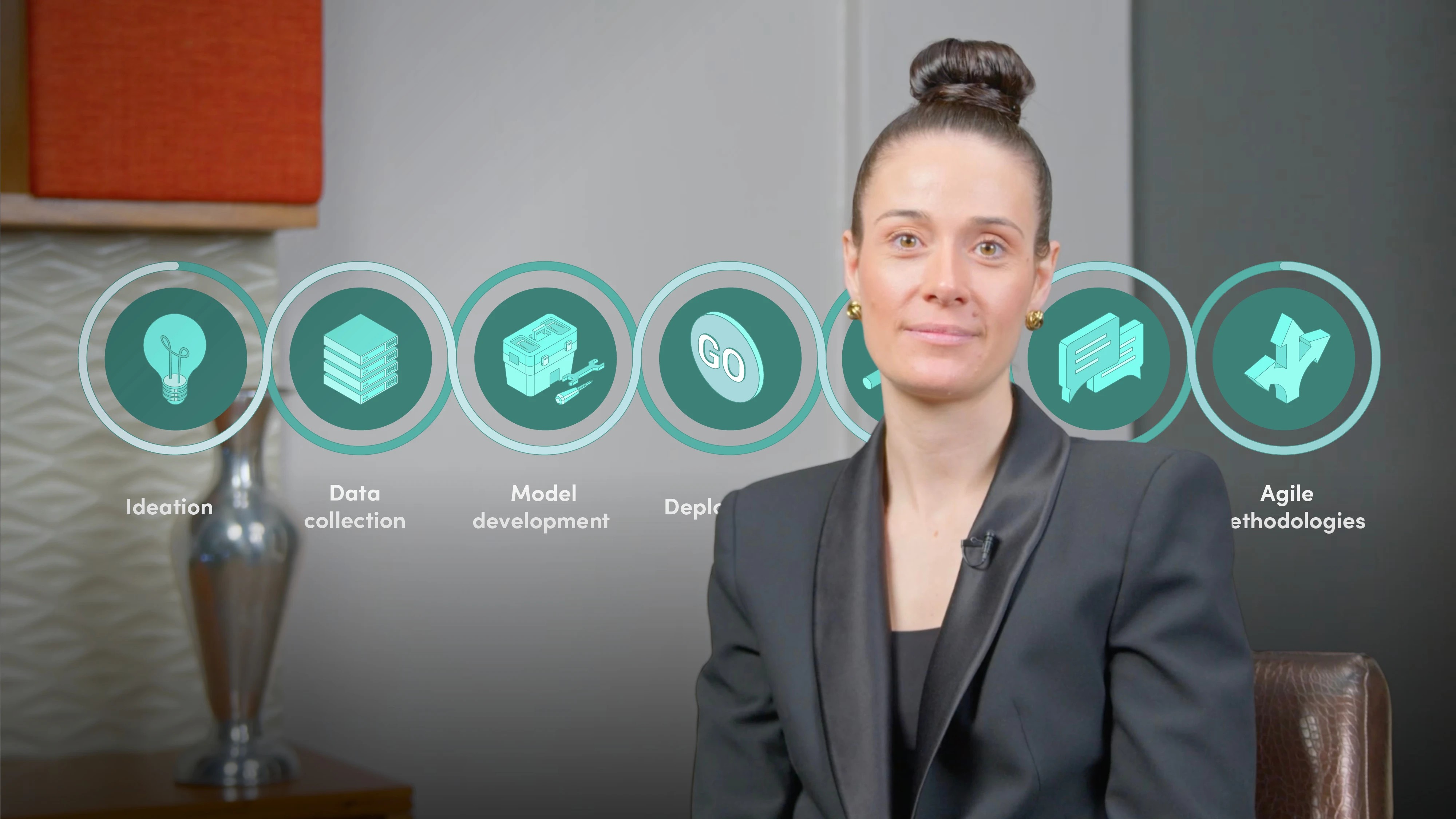
Implementing AI in your Organisation

In this video, Elizabeth explains how organisations can successfully adopt AI and data science by fostering a data-driven culture and strategically implementing AI projects.

Blockchain and Smart Contracts

In the first video of this video series, James explains the concept of blockchain along with its benefits.

Featured Content

Ready to get started?

Plans & Membership

Our Platform

Expert-led content

100's of expert presented, on-demand video modules

Learning analytics

Keep track of learning progress with our comprehensive data

Interactive learning

Engage with our video hotspots and knowledge check-ins

Testing and certifications

Gain CPD / CPE credits and professional certification

Managed learning

Build, scale and manage your organisation’s learning

Integrations

Connect Data Unlocked to your current platform

Featured Content

Featured Content

Implementing AI in your Organisation

In this video, Elizabeth explains how organisations can successfully adopt AI and data science by fostering a data-driven culture and strategically implementing AI projects.

Blockchain and Smart Contracts

In the first video of this video series, James explains the concept of blockchain along with its benefits.

Featured Content

Ready to get started?

Ready to get started?

AI as a Creative Thinking Partner

AI as a Creative Thinking Partner

Emily Yang

Human-Centred AI (HCAI) Specialist

Use AI to generate options, challenge assumptions, and refine ideas without losing judgement or direction.

Use AI to generate options, challenge assumptions, and refine ideas without losing judgement or direction.

Subscribe to watch

Access this and all of the content on our platform by signing up for a 7-day free trial.

AI as a Creative Thinking Partner

2 mins 44 secs

Key learning objectives:

  • Understand how AI supports creative thinking

  • Use iteration to improve ideas

  • Apply judgement and discernment to creative outputs

  • Identify ways to avoid idea overload and weak selections

Overview:

Creative work improves when ideas are generated widely, tested quickly, and refined with purpose. AI can help remove blank-page friction, surface new angles, and speed up exploration, but strong outcomes still depend on selecting what matters, improving weak ideas, and applying human judgement to the final direction.

Subscribe to watch

Access this and all of the content on our platform by signing up for a 7-day free trial.

Summary
Why does creativity matter at work?
Creative work is not limited to design or marketing teams. It appears whenever people need to solve unclear problems, improve processes, communicate difficult messages, build proposals, name products, shape presentations, or find better ways forward. Many everyday business tasks require fresh thinking, not just execution.

How does AI help?
AI lowers the effort required to explore possibilities. It can quickly generate multiple options, suggest different tones, reframe a problem, challenge assumptions, or provide starting points when momentum is low. This helps people move faster from a blank page to material they can assess and improve.

What is the common misuse?
Some people treat AI as if it should produce one perfect answer immediately. Others generate dozens of ideas with no criteria for choosing between them. Both approaches create weak results. Creativity improves through direction and evaluation, not volume alone.

How do better ideas emerge?
Strong ideas usually come through iteration. Start broad to create options, then narrow focus toward what best fits the audience, objective, and constraints. Combine useful fragments, strengthen promising concepts, discard weaker ones, and test different versions until the direction becomes clearer.

What remains human?
People still provide taste, judgement, context, and accountability. Humans decide what feels right, what is realistic, what aligns with the audience, and which direction deserves commitment. AI can support creative thinking, but people make the final call.

Subscribe to watch

Access this and all of the content on our platform by signing up for a 7-day free trial.

Emily Yang

Emily Yang

Emily Yang leads Human-Centred AI and Innovation at a global financial institution and serves on the organisation’s AI Safety and Governance committees. Her work focuses on advancing responsible and trustworthy AI systems that balance innovation with accountability. She is among the first practitioners in the industry to apply Human-Centred AI at scale. With over a decade of experience in human-computer interaction and user experience, Emily has held roles across tech startups, corporate venture builders, and major technology companies. Her journey into AI began with studies in biochemistry and neuroscience, followed by a research master’s in HCI and natural language technologies, during which she published work on perceived empathy and emotional intelligence in virtual agents.

There are no available Videos from "Emily Yang"