






Categories
Discover our Courses
Featured Pathways
More pathways

Incorporating AI Into Business Strategy
This pathway delves into the transformative potential of AI and technology in modern business.

Networks and Advanced Cybersecurity
Delve into the workings of networks, email encryption, and advanced cybersecurity with Ciaran Rooney.
More pathways
Ready to get started?
Plans & Membership
Find the right plan for you
Our Platform
Expert-led content
100's of expert presented, on-demand video modules
Learning analytics
Keep track of learning progress with our comprehensive data
Interactive learning
Engage with our video hotspots and knowledge check-ins
Testing and certifications
Gain CPD / CPE credits and professional certification
Managed learning
Build, scale and manage your organisation’s learning
Integrations
Connect Data Unlocked to your current platform
Featured Content
Featured Content
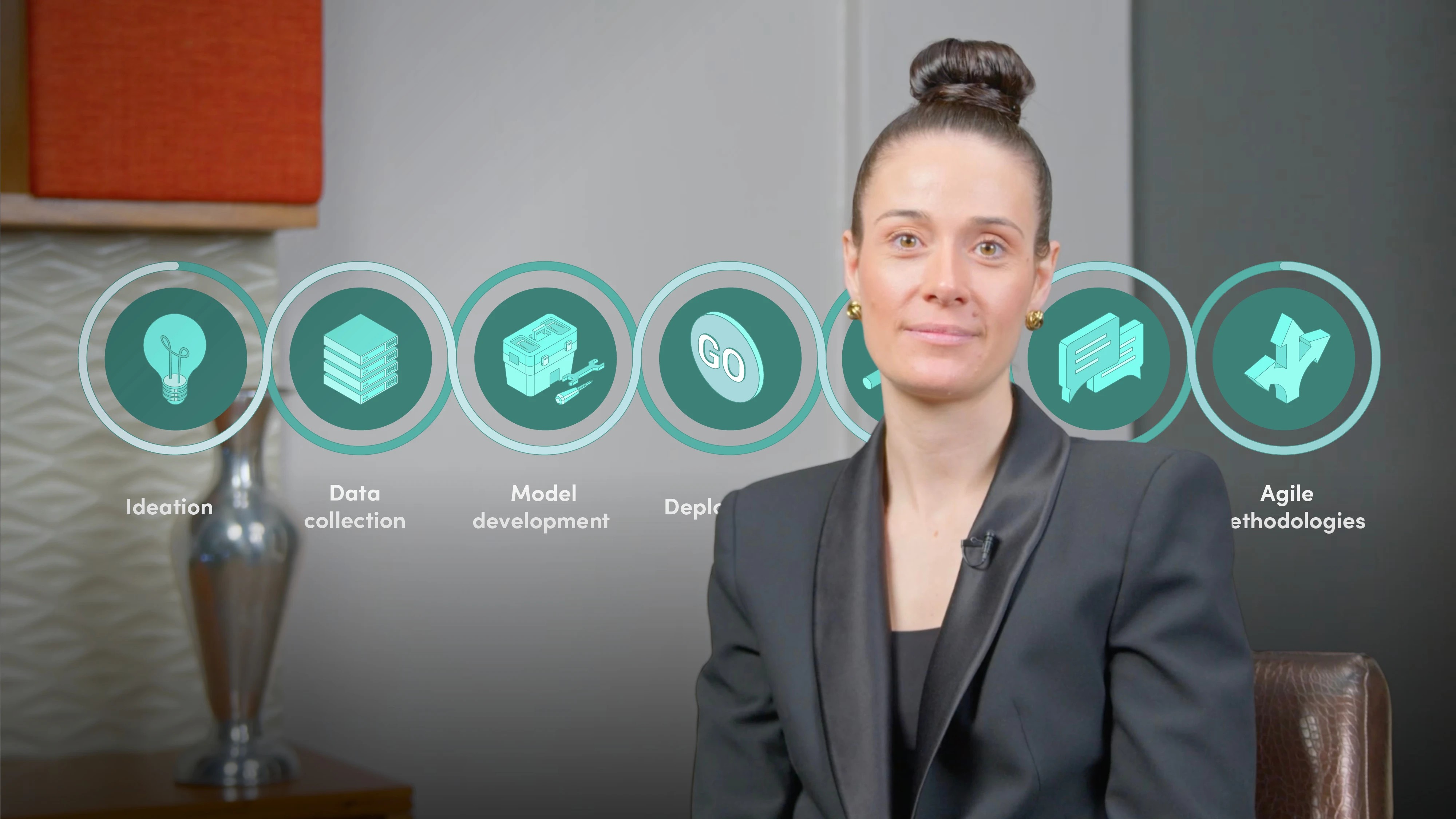
Implementing AI in your Organisation
In this video, Elizabeth explains how organisations can successfully adopt AI and data science by fostering a data-driven culture and strategically implementing AI projects.

Blockchain and Smart Contracts
In the first video of this video series, James explains the concept of blockchain along with its benefits.
Featured Content
Ready to get started?
Categories
Discover our Courses
Featured Pathways
More pathways
Incorporating AI Into Business Strategy
This pathway delves into the transformative potential of AI and technology in modern business.
Networks and Advanced Cybersecurity
Delve into the workings of networks, email encryption, and advanced cybersecurity with Ciaran Rooney.
More pathways
Ready to get started?
Plans & Membership
Find the right plan for you
Our Platform
Expert-led content
100's of expert presented, on-demand video modules
Learning analytics
Keep track of learning progress with our comprehensive data
Interactive learning
Engage with our video hotspots and knowledge check-ins
Testing and certifications
Gain CPD / CPE credits and professional certification
Managed learning
Build, scale and manage your organisation’s learning
Integrations
Connect Data Unlocked to your current platform
Featured Content
Featured Content
Implementing AI in your Organisation
In this video, Elizabeth explains how organisations can successfully adopt AI and data science by fostering a data-driven culture and strategically implementing AI projects.
Blockchain and Smart Contracts
In the first video of this video series, James explains the concept of blockchain along with its benefits.
Featured Content
Ready to get started?