



Our Platform

Expert-led content

100's of expert presented, on-demand video modules

Learning analytics

Keep track of learning progress with our comprehensive data

Interactive learning

Engage with our video hotspots and knowledge check-ins

Testing and certifications

Gain CPD / CPE credits and professional certification

Managed learning

Build, scale and manage your organisation’s learning

Integrations

Connect Data Unlocked to your current platform

Featured Content

Featured Content

Implementing AI in your Organisation

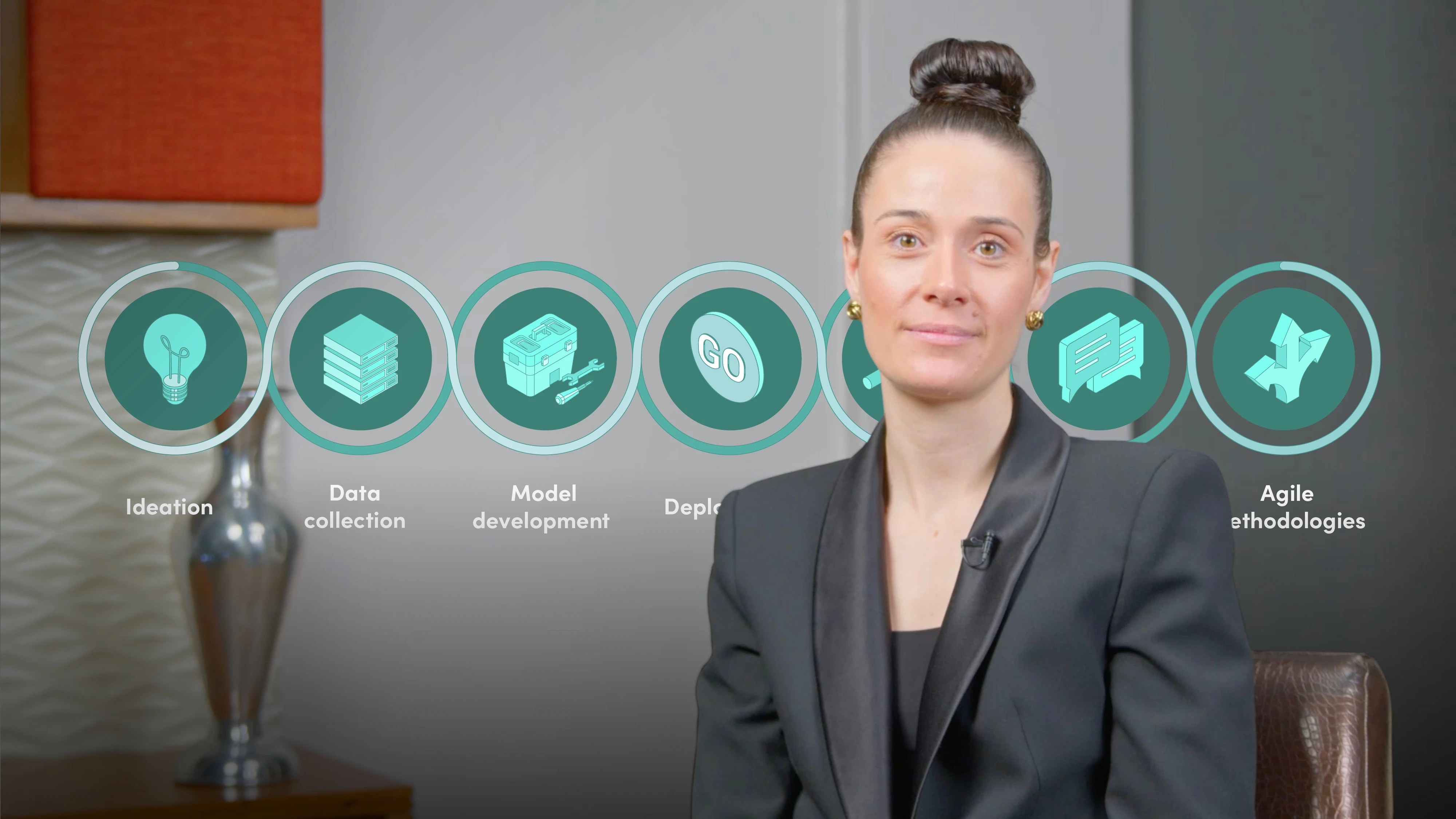
In this video, Elizabeth explains how organisations can successfully adopt AI and data science by fostering a data-driven culture and strategically implementing AI projects.

Blockchain and Smart Contracts

In the first video of this video series, James explains the concept of blockchain along with its benefits.

Featured Content

Ready to get started?

Our Platform

Expert-led content

100's of expert presented, on-demand video modules

Learning analytics

Keep track of learning progress with our comprehensive data

Interactive learning

Engage with our video hotspots and knowledge check-ins

Testing and certifications

Gain CPD / CPE credits and professional certification

Managed learning

Build, scale and manage your organisation’s learning

Integrations

Connect Data Unlocked to your current platform

Featured Content

Featured Content

Implementing AI in your Organisation

In this video, Elizabeth explains how organisations can successfully adopt AI and data science by fostering a data-driven culture and strategically implementing AI projects.

Blockchain and Smart Contracts

In the first video of this video series, James explains the concept of blockchain along with its benefits.

Featured Content

Ready to get started?

Ready to get started?

What is Human-Centred AI (HCAI)?

What is Human-Centred AI (HCAI)?

Emily Yang

Human-Centred AI (HCAI) Specialist

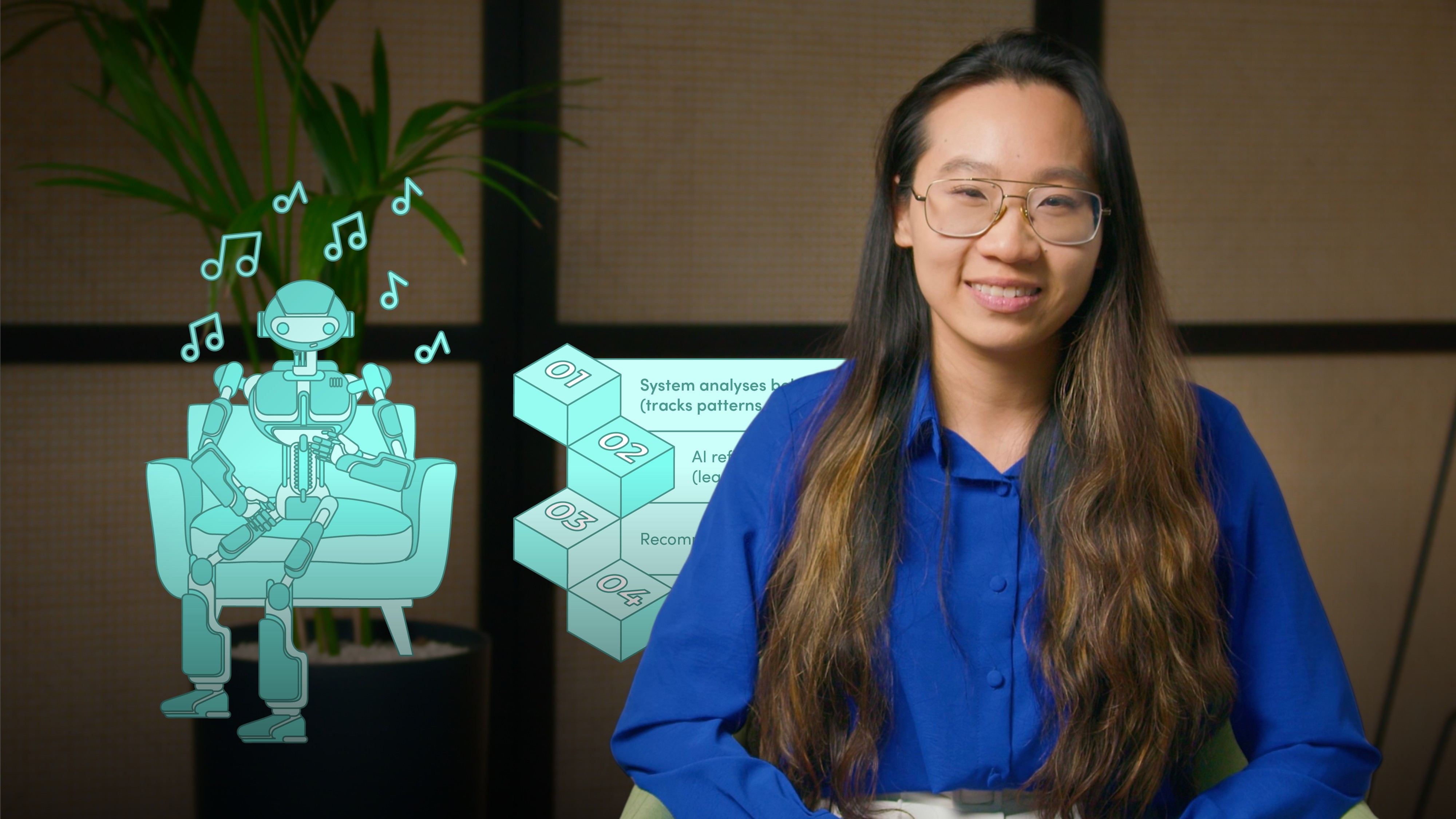
Join Emily Yang and explore how Human-Centred AI ensures technology serves people. Learn its core principles, why it matters, real-world successes, and how to assess whether an AI system is truly human-centred.

Join Emily Yang and explore how Human-Centred AI ensures technology serves people. Learn its core principles, why it matters, real-world successes, and how to assess whether an AI system is truly human-centred.

Subscribe to watch

Access this and all of the content on our platform by signing up for a 7-day free trial.

What is Human-Centred AI (HCAI)?

9 mins 34 secs

Key learning objectives:

  • Understand Human-Centred AI (HCAI) and explain its core principles

  • Understand the urgent need for HCAI in enterprise, public, and personal contexts

  • Outline examples of HCAI in action, where it’s succeeded and how it’s failed

  • Outline a practical checklist to assess whether an AI product or strategy is truly human-centred

Overview:

Human-Centred AI (HCAI) is an emerging discipline that prioritises human values, dignity, and agency in the design and deployment of artificial intelligence systems. It promotes collaborative oversight (“humans in the group”) and responsible use of AI tools (“machines in the loop”) across industries. Grounded in ethics, user experience, workforce impact, and sustainability, HCAI encourages proactive governance, interdisciplinary collaboration, and strategic foresight. This approach supports trust, usability, and long-term adoption. As AI systems become embedded in everyday decisions, from mental health tools to enterprise platforms, HCAI provides a structured framework for designing AI that is accountable, equitable, and aligned with human needs.

Subscribe to watch

Access this and all of the content on our platform by signing up for a 7-day free trial.

Summary
What is Human-Centred AI, and why does it matter?
Human-Centred AI is an interdisciplinary framework that ensures AI systems enhance human agency, wellbeing, and societal outcomes. Rather than focusing purely on efficiency or autonomy, HCAI aligns AI with human values and embeds ethics, safety, and accountability into the development process. It matters because AI is increasingly embedded in decisions that affect people’s health, work, rights, and identity. HCAI enables us to steer these systems toward outcomes that are beneficial, inclusive, and trustworthy, supporting long-term adoption and impact.

Why is Human-Centred AI urgently needed across industries and roles?
AI is no longer abstract or experimental; it is operational, personal, and embedded in core functions from hiring to healthcare. This creates significant risks if ethical, workforce, psychological, and sustainability impacts aren’t addressed early. For example, poorly designed algorithms can introduce bias into recruitment. High energy-consuming models may undermine ESG targets. Leaders need to anticipate these challenges through ecosystem thinking. HCAI offers a structured way to ask better questions, design more inclusive systems, and align innovation with long-term trust and value creation. It ensures AI isn’t just deployed at people, but built with them in mind.


Where has HCAI worked in practice, and what made it effective?
Successful applications of HCAI include Spotify’s AI-powered recommendation engine and Standard Chartered’s genAI-enabled HR tools. In both cases, interdisciplinary collaboration was key: UX, legal, AI governance, and engineering teams worked together to embed oversight, inclusivity, and continuous user feedback. These examples show that human-centred design leads to stronger adoption, trust, and performance. What made them effective wasn’t just the technology; it was a commitment to building AI around real human needs and behaviours.


How can you assess whether an AI system is truly human-centred?
A practical HCAI checklist can help. It asks: Are diverse human factors, like ethics, workforce, or psychology, actively considered from the start? Are users trained to identify risks, and are feedback loops built in? Are success metrics tied only to efficiency, or do they include wellbeing, engagement, and trust? Is governance designed as an enabler, not a barrier? For leaders, it’s about ensuring the right voices are in the room, anticipating cultural impacts, and aligning AI with values that outlast hype cycles. True HCAI design begins with asking better questions, and continues with building systems that deserve trust.

Subscribe to watch

Access this and all of the content on our platform by signing up for a 7-day free trial.

Emily Yang

Emily Yang

Emily Yang leads Human-Centred AI and Innovation at a global financial institution and serves on the organisation’s AI Safety and Governance committees. Her work focuses on advancing responsible and trustworthy AI systems that balance innovation with accountability. She is among the first practitioners in the industry to apply Human-Centred AI at scale. With over a decade of experience in human-computer interaction and user experience, Emily has held roles across tech startups, corporate venture builders, and major technology companies. Her journey into AI began with studies in biochemistry and neuroscience, followed by a research master’s in HCI and natural language technologies, during which she published work on perceived empathy and emotional intelligence in virtual agents.

There are no available Videos from "Emily Yang"